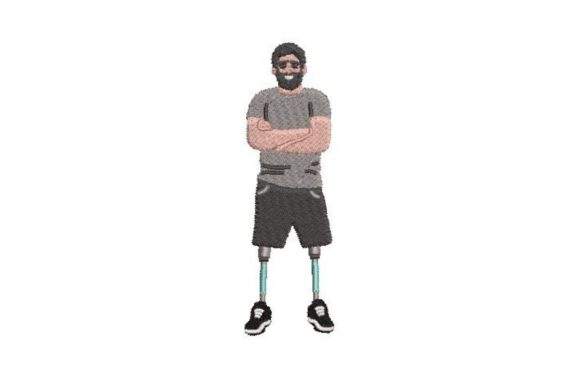
Person with Prosthetic Legs
A Powerful Design for Empathy and Branding
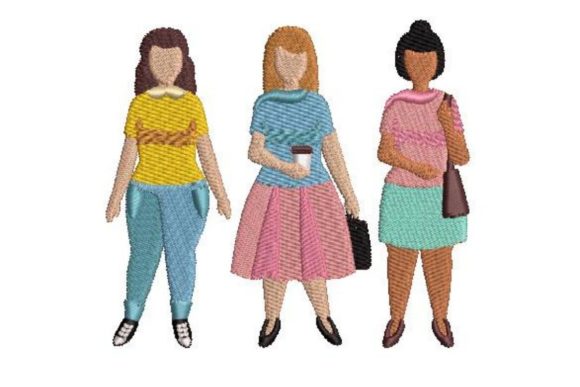
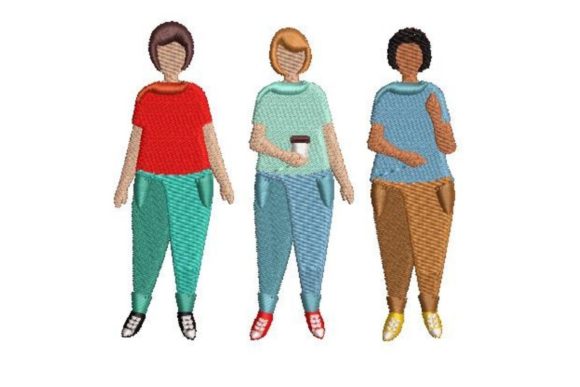
The Person with Prosthetic Legs design immediately strikes a balance between boldness and compassion. Its message is clear: support, strength, and resilience. As an embroidery designer, I find the visual tone to be both modern and handmade, making it versatile for a wide range of applications. Whether used as a patch, apron detail, or branded merchandise, this design carries emotional weight that can resonate deeply with customers and employees alike.
Visual Personality and Brand Identity
The Person with Prosthetic Legs design has a strong visual personality—thoughtful, inspiring, and awareness-driven. It’s not just a decorative element; it’s a statement. For small businesses looking to build brand identity around values like empathy, support, and community, this design fits seamlessly. The machine embroidery design is detailed enough to convey emotion without being overwhelming, which makes it ideal for use on custom apparel and small business merch.
The embroidery file seems to include clean outlines and subtle textures that add depth. This level of detail works well in apron embroidery and cap embroidery, where visibility and clarity are key. However, I would recommend testing the design in black and white first to ensure it maintains its impact across different color schemes and fabric types.
Real-World Business Applications
The Person with Prosthetic Legs design offers a variety of real-world applications for small businesses. Here are some practical uses:
- Embroidered Patches: This design works exceptionally well as a branded patch, especially for events, awareness campaigns, or customer gifts. It can be sewn onto caps, jackets, or tote bags to create a meaningful visual presence.
- Chest Logo Accent: Use it as a subtle chest logo on staff uniforms or customer wear. Its emotional resonance adds value to the brand without overpowering other elements.
- Sleeve Detail: Adding the design to sleeves of custom t-shirts or work shirts can create a unique look that stands out while still feeling professional.
- Tote Bag Design: The tote bag design could serve as a memorable branded item, perfect for giveaways or store promotions.
- Apron Embroidery: This design is ideal for apron embroidery, especially in cafes, bakeries, or craft studios where staff wear aprons daily.
- Product Packaging Accents: A small version of the embroidered patch can be used as a sticker or label on product packaging, reinforcing brand consistency.
- Customer Gifts: Stitch it to a nice t-shirt and offer it as a thoughtful gift. This approach can increase customer engagement and loyalty.
- Etsy Branding: For handmade brands and Etsy sellers, this design can become a signature design asset that differentiates your products from competitors.
Considerations for Commercial Use
While the Person with Prosthetic Legs design is visually compelling, there are a few considerations to keep in mind when using it commercially:
- Small Patch Sizes: The design may appear too large on very small patches. Always test the hoop size and adjust the scale accordingly.
- Cap Fronts: When using the design on cap fronts, ensure the thread colors contrast well with the cap material. Dark caps may require brighter threads for visibility.
- Curved Surfaces: The design may need adjustments if applied to curved surfaces like caps or tote bags. Check how it performs on different fabric textures.
- Tiny Lettering: If the design includes text, make sure the lettering is large enough to remain legible after stitching.
- High Stitch Density: The stitch density should be appropriate for the fabric type. Too dense a pattern can cause puckering or damage on delicate materials.
- Dark Uniforms: On dark-colored uniforms, the design may require a contrasting thread color to maintain visibility and impact.
- Frequent Washing: If the design will be used on items that undergo frequent washing, such as aprons or work shirts, ensure it is durable and properly stabilized.
Practical Embroidery Designer Notes
As an experienced embroidery designer, I recommend the following steps before production:
- Test in Black and White: Ensure the design maintains its emotional impact when viewed in grayscale.
- Check Small Patch Size: Confirm the design works at smaller scales, especially for commercial embroidery projects.
- Review Thread Color Contrast: Choose thread colors that complement the fabric and enhance the design's visibility.
- Inspect Spacing: Ensure proper spacing between elements to avoid overcrowding and maintain clarity.
- Confirm Hoop Size: Verify that the design fits within the hoop size required for your machine.
- Test on Real Fabric: Always test the finished product on actual fabric to ensure quality and durability.
- Use Proper Stabilizer: Apply the right type of stabilizer to prevent puckering and ensure smooth stitching.
- Create a Mockup: Generate a printable mockup for client approval before mass production.
- Compare with Other Assets: Ensure the design assets align with your overall brand aesthetic and messaging.
- Confirm Licensing: Make sure you have the proper commercial licensing for use in your business.
Conclusion
The Person with Prosthetic Legs design is more than just an embroidery file; it’s a powerful tool for building brand identity and fostering connection. Whether used on custom apparel, apron embroidery, or small business merch, this design has the potential to inspire, engage, and elevate your brand. With careful planning and attention to detail, it can become a valuable handmade product that resonates with your audience and supports your business goals.