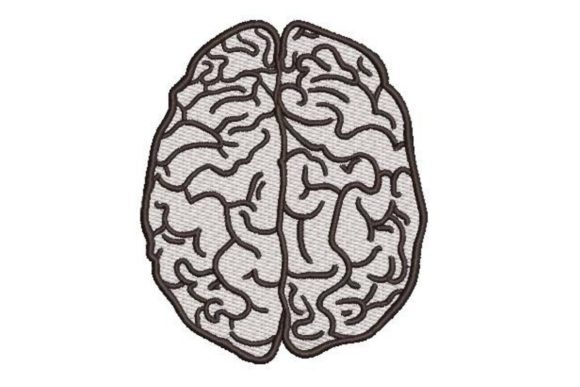
Human Brain Line Art
A Designer’s First Impression
The first time I saw Human Brain Line Art, I was struck by its clean, minimalist aesthetic. It’s a line art design that feels both scientific and artistic, capturing the complexity of the brain in a way that’s surprisingly elegant. The absence of color and the focus on precise lines make it feel like something that could belong in a medical setting or a modern craft studio. There’s a quiet confidence to this design—it doesn’t shout, but it speaks volumes.
Visual Personality and Mood
Human Brain Line Art has a cerebral, intellectual vibe that makes it stand out from more whimsical or decorative designs. It’s not just about the subject—it’s about how it’s presented. The sharp angles and symmetrical layout give it a structured, almost architectural feel. This kind of design is perfect for those who want to add a touch of sophistication or professionalism to their embroidery projects.
Real-Life Use Case: Custom Embroidered Tote Bag
I recently considered using Human Brain Line Art for a custom embroidered tote bag aimed at a small business owner who sells handmade stationery and educational supplies. The idea was to create a product that would appeal to both professionals and students. The brain design would serve as a subtle nod to intelligence and creativity, making it ideal for a brand that values knowledge and innovation.
When I imagined the final product, I thought about how the design would look on different fabrics. A light-colored linen tote would highlight the clean lines and make the design pop, while a darker fabric might require careful consideration of thread colors and stitch density to ensure visibility.
Performance in Real Projects
Human Brain Line Art performs well in most embroidery scenarios, especially when used on flat, stable surfaces like t-shirts, tote bags, and sweatshirts. Its line art nature means it doesn’t require heavy fill stitches, which can be a relief for those working with limited hoop space or tight timelines. However, there are some situations where it may need extra attention.
- Small Hoop Sizes: The design’s intricate details may not translate well to very small hoops. Testing on scrap fabric is essential to ensure clarity.
- Textured Fabrics: Linen or other textured materials can cause slight distortion, so using a proper stabilizer is crucial.
- Dark Fabrics: While the design works on dark backgrounds, thread color contrast becomes even more important. Lighter threads will help the lines stand out.
- Stretchy or Thin Fabrics: These can affect stitch density and overall appearance. Adjusting the stitch settings or using a backing material may be necessary.
Design Notes for Embroidery Professionals
If you’re an embroidery designer or seller, consider the following practical tips before using Human Brain Line Art:
- Test on Scrap Fabric: Always test the design on a piece of fabric similar to what you’ll be using for the final project.
- Check Thread Color Contrast: Ensure the chosen thread colors provide enough contrast against the fabric background.
- Review Stitch Density: Too dense or too sparse stitching can affect the clarity of the design. Adjust as needed.
- Confirm Hoop Size: Make sure the design fits comfortably within your hoop without stretching or distorting.
- Inspect Small Details: Look closely for any tiny elements that might be lost during the embroidery process.
- Test in Black and White Mockups: This helps identify any issues with line visibility or detail clarity.
- Use Proper Stabilizer: Especially on delicate or stretchy fabrics, a quality stabilizer can make all the difference.
- Check Licensing: If you plan to sell finished products or digital files, confirm the licensing terms before proceeding.
Where to Use Human Brain Line Art Best
Human Brain Line Art is versatile enough to work across a wide range of projects, but it shines in specific contexts:
- Custom Apparel: Sweatshirts, t-shirts, and caps can feature this design as a subtle yet meaningful detail.
- Baby Embroidery: A smaller version of the design could be used on baby clothes or accessories, adding a unique touch.
- Embroidered Patch: A scaled-down version could work well as a patch for a branded item or a personalized gift.
- Wedding or Holiday Gifts: This design could be a thoughtful addition to a wedding gift or holiday ornament.
- Commercial Embroidery: It’s suitable for boutique branding, craft fair products, and Etsy listings looking for a professional edge.
Impact on Visual Appeal and Branding
Using Human Brain Line Art in your projects can significantly enhance visual appeal and customer trust. Its clean, modern look aligns well with brands that value professionalism and creativity. When applied to items like tote bags, aprons, or pillow covers, it adds a layer of sophistication that can elevate the perceived value of your handmade products.
For Etsy sellers and small shop owners, this design offers a great opportunity to differentiate your offerings. It’s not just a design—it’s a statement. Customers who appreciate thoughtful, meaningful embroidery will likely notice and appreciate the detail.
Final Thoughts
Human Brain Line Art is a design that deserves careful consideration before being used in real projects. It’s not just about the lines—it’s about how they fit into the bigger picture of your brand, your customers’ expectations, and the final product’s purpose. With the right preparation and attention to detail, this design can become a standout element in your embroidery portfolio.